AI Code Generation
AI code generation refers to tools and systems that use large language models to write, debug, refactor, and explain software code. From inline autocomplete to autonomous coding agents, AI code generation has become the most direct expression of how AI transforms knowledge work—and the most measurable.
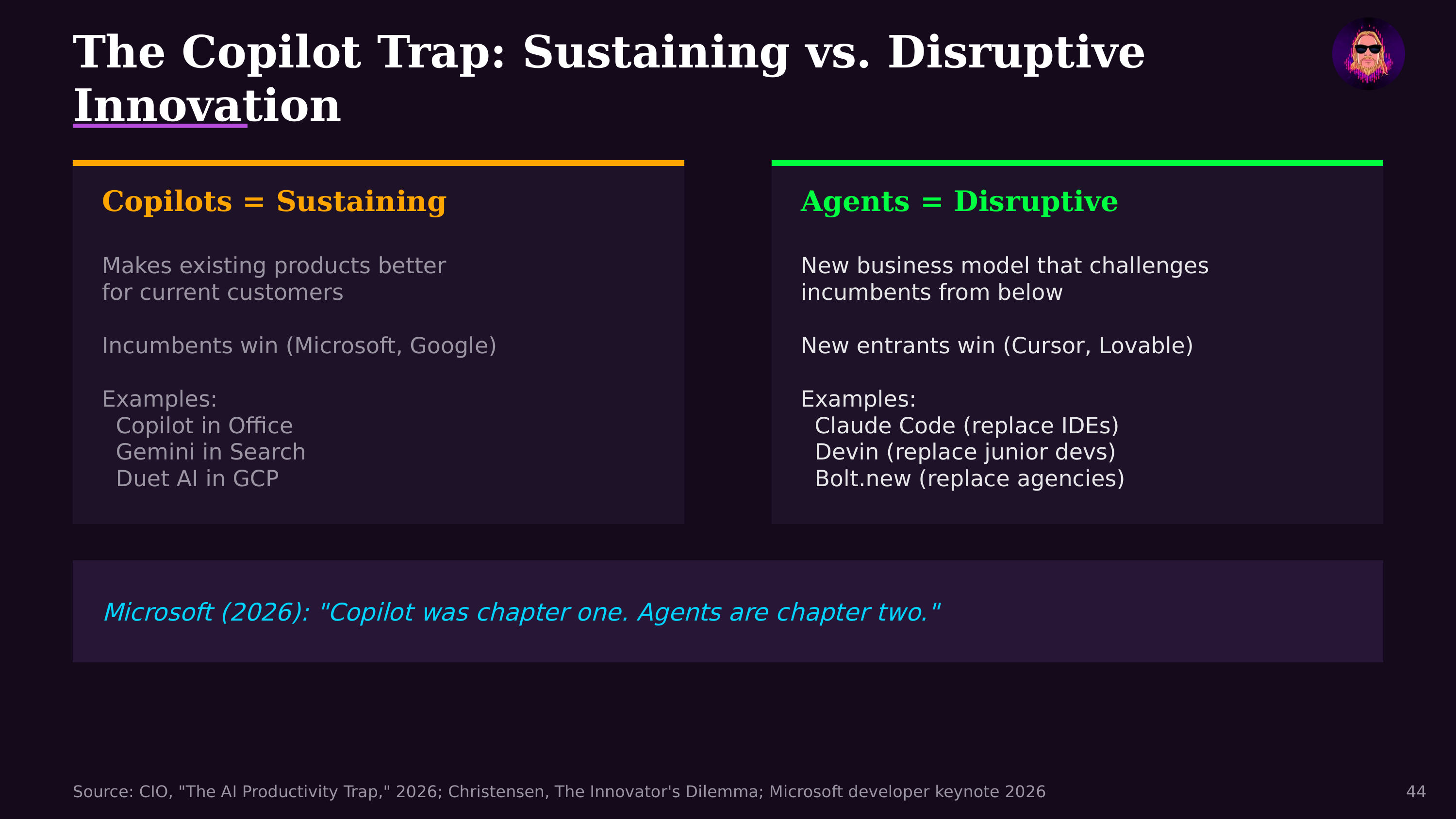
The tool landscape has stratified into tiers. Inline assistants like GitHub Copilot provide real-time code suggestions as you type. AI-native editors like Cursor and Windsurf redesign the IDE around AI interaction, enabling multi-file edits and natural language commands. Agentic coding tools like Claude Code, Aider, and Devin operate at a higher level—they can understand entire codebases, plan multi-step implementations, run tests, debug failures, and iterate autonomously. Each tier represents a step toward the vision of vibe coding.
The productivity data is striking. Anthropic reported a 67% increase in merged pull requests per engineer after introducing Claude Code. GitHub found Copilot users completed tasks 55% faster. The top-quartile AI users in coding see 6x productivity gains over the average. These numbers explain the explosive adoption: by 2025, AI coding tools had become standard in most professional development environments, and the gap between teams that use them effectively and those that don't has widened into a competitive disadvantage.
AI code generation is the engine of agentic engineering and the practical mechanism behind the "SaaSpocalypse." When the cost of writing code approaches zero, the bottleneck shifts from implementation to design, product vision, and understanding what to build. This is what enables the Creator Era: solo founders building production platforms over weekends, non-engineers creating functional tools through natural language, and the dramatic expansion of who can participate in software creation.